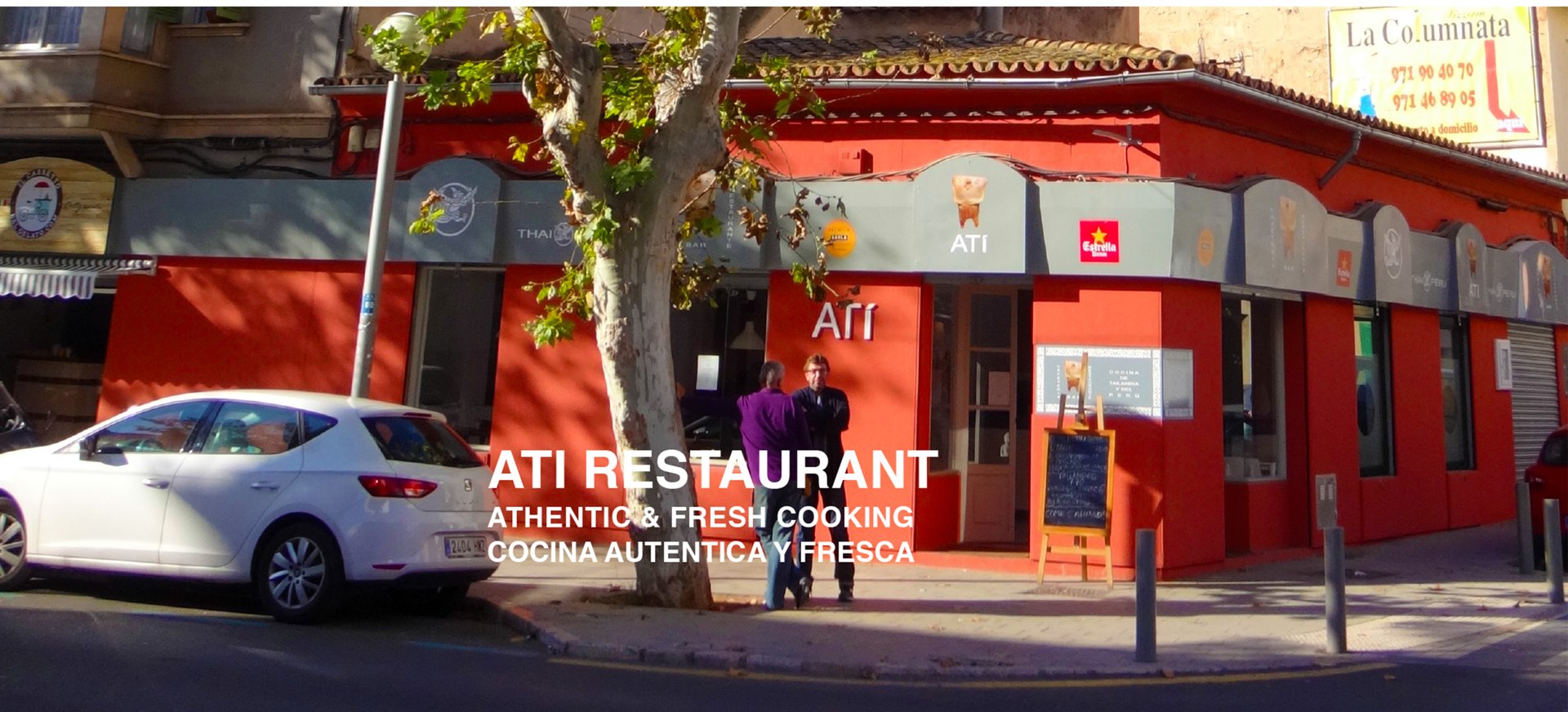
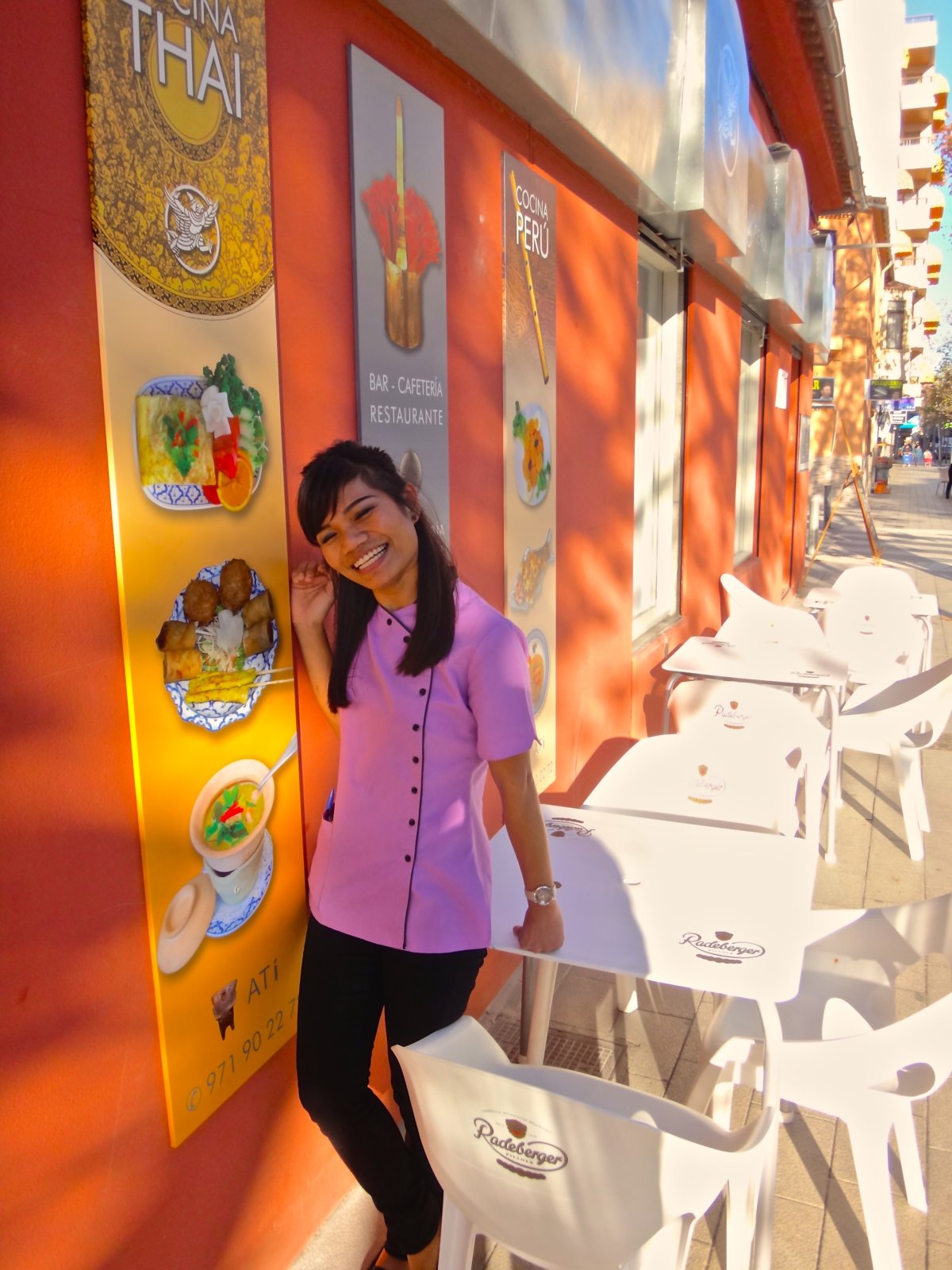
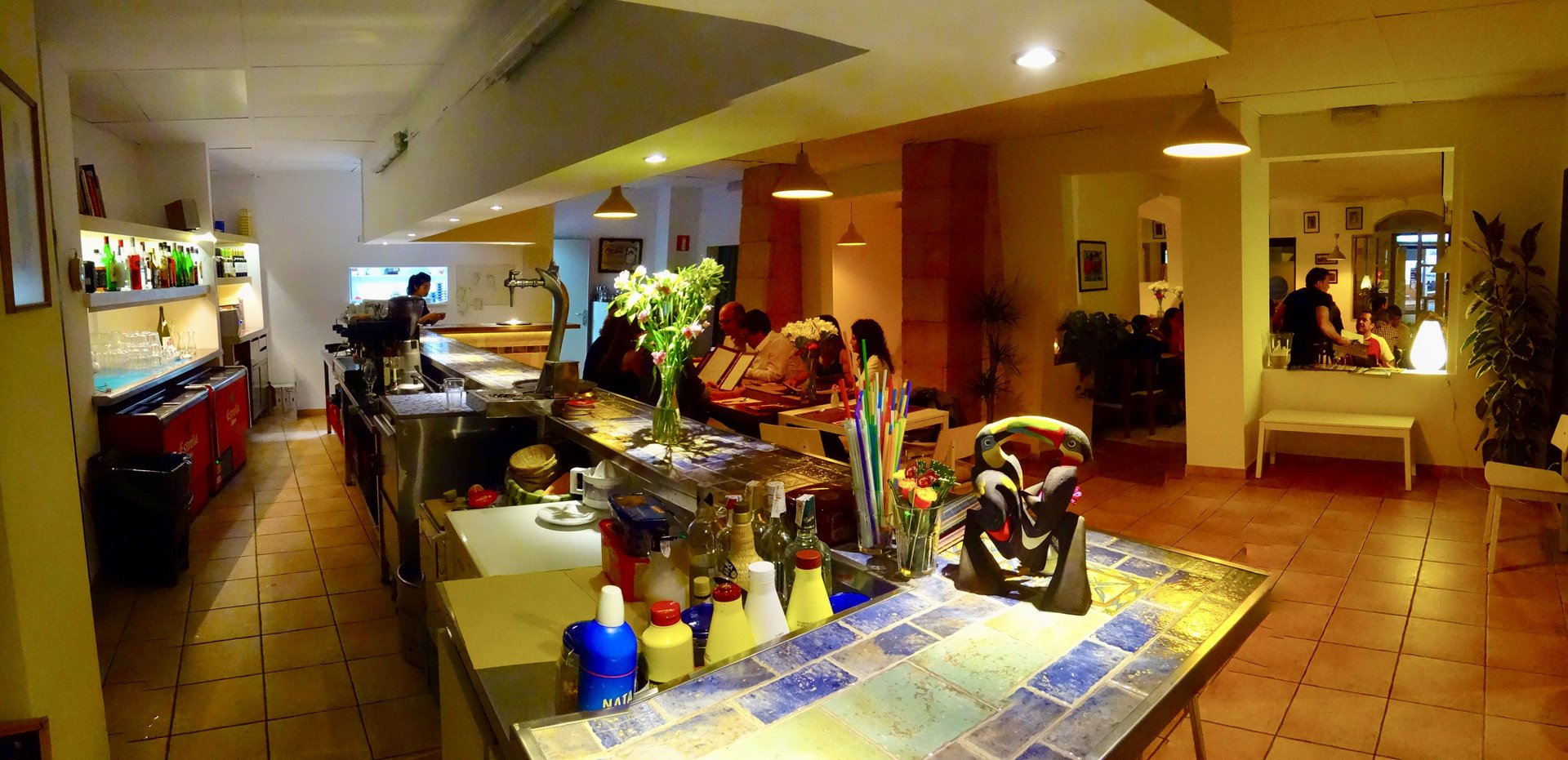
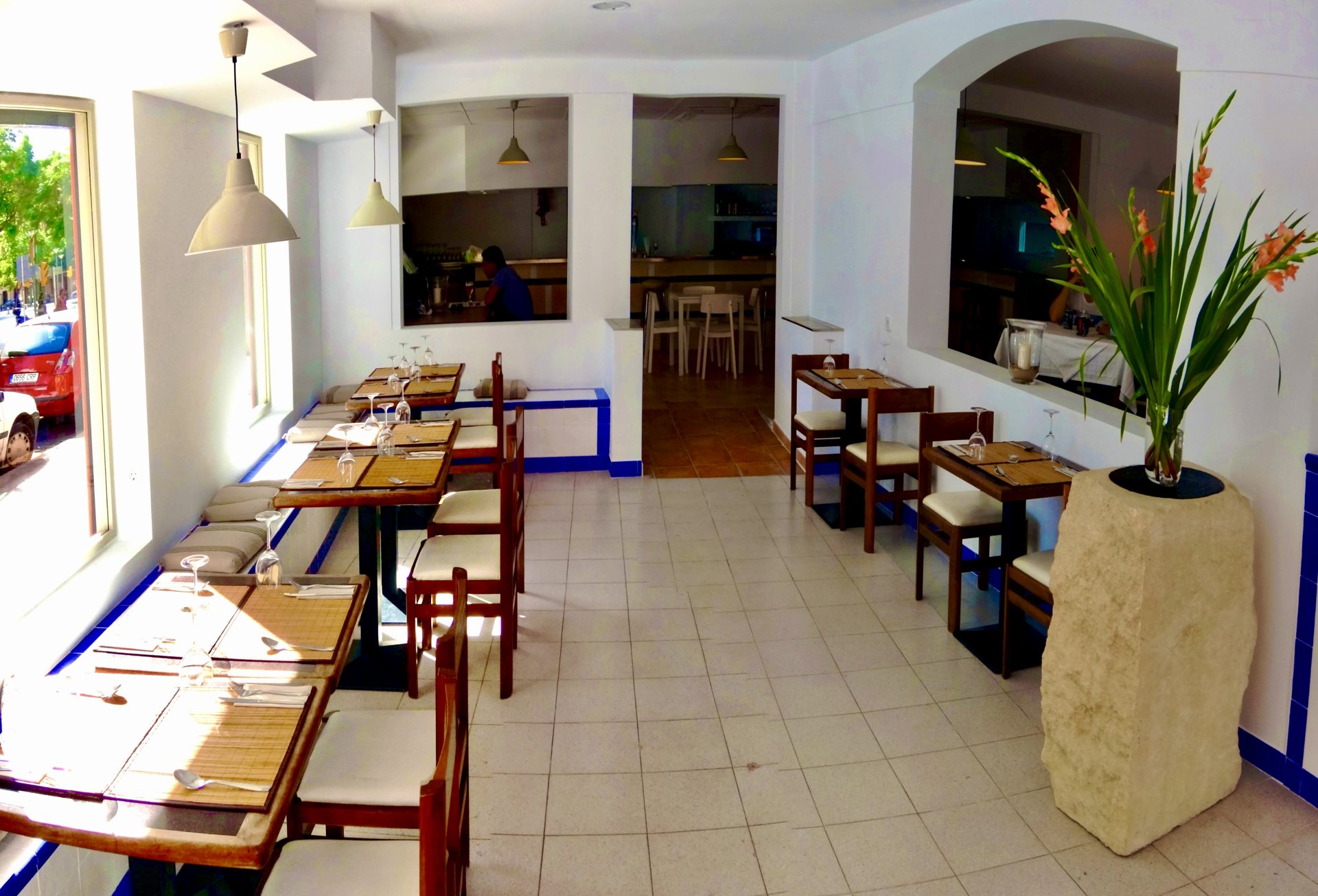
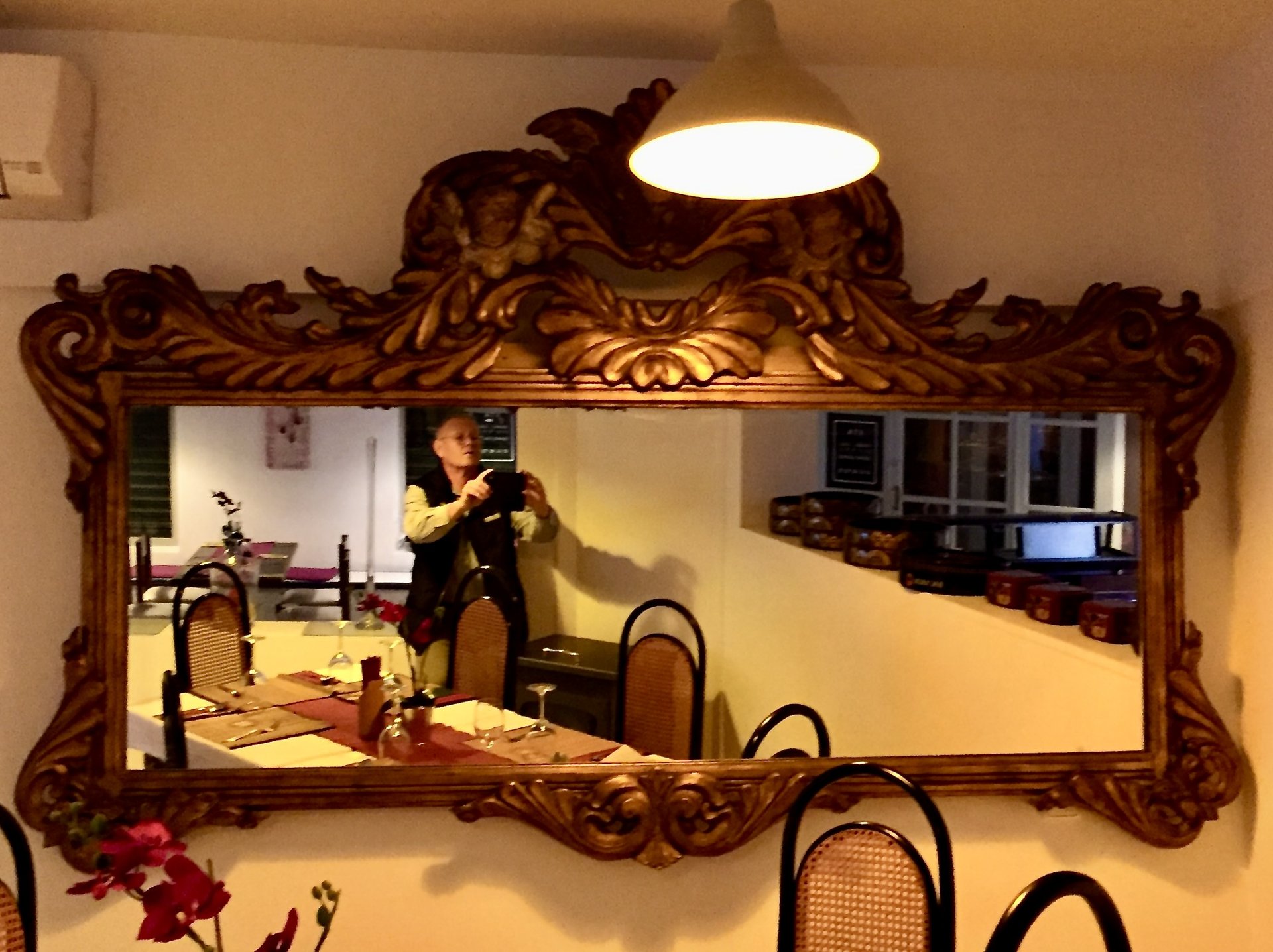
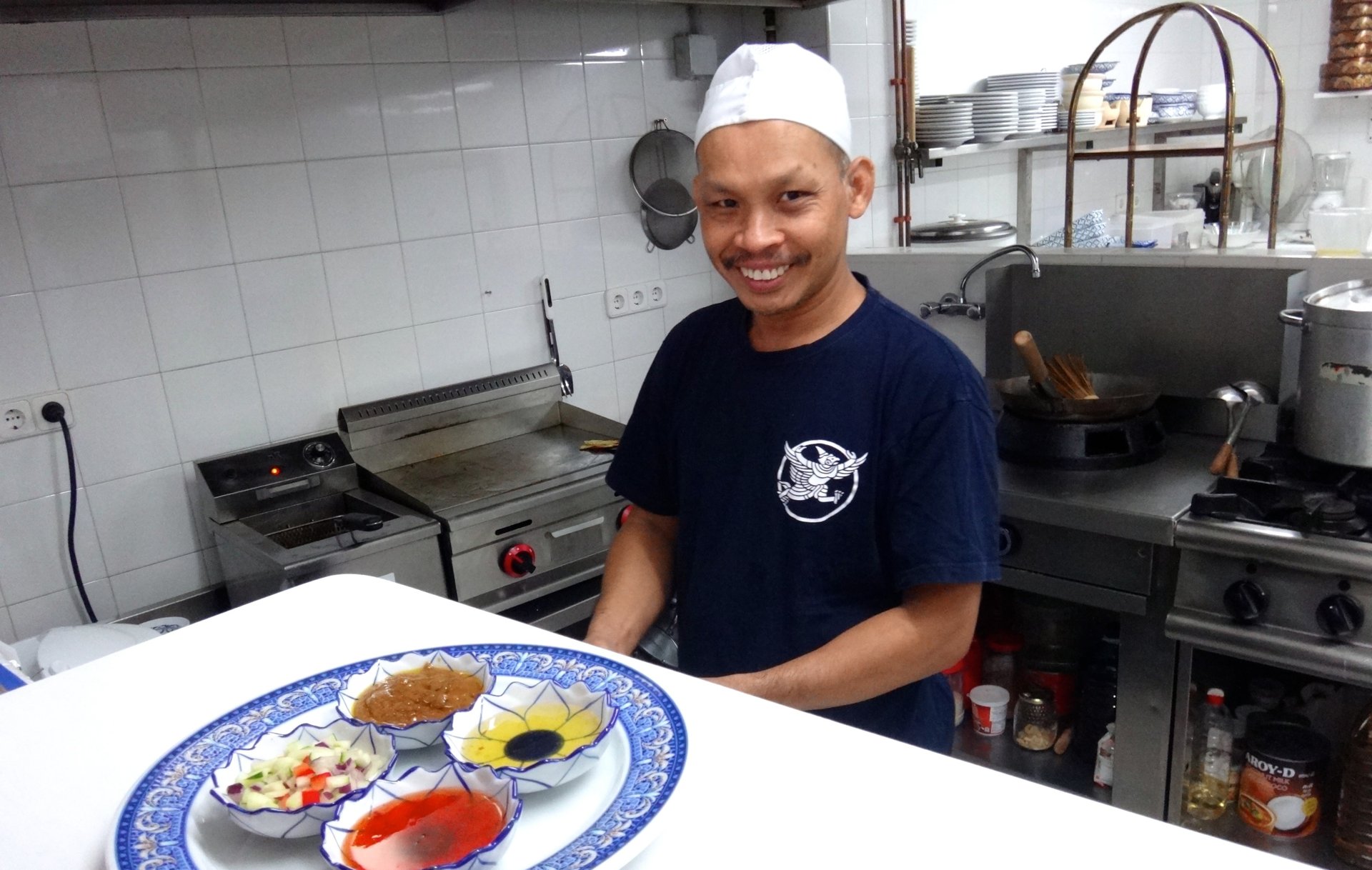
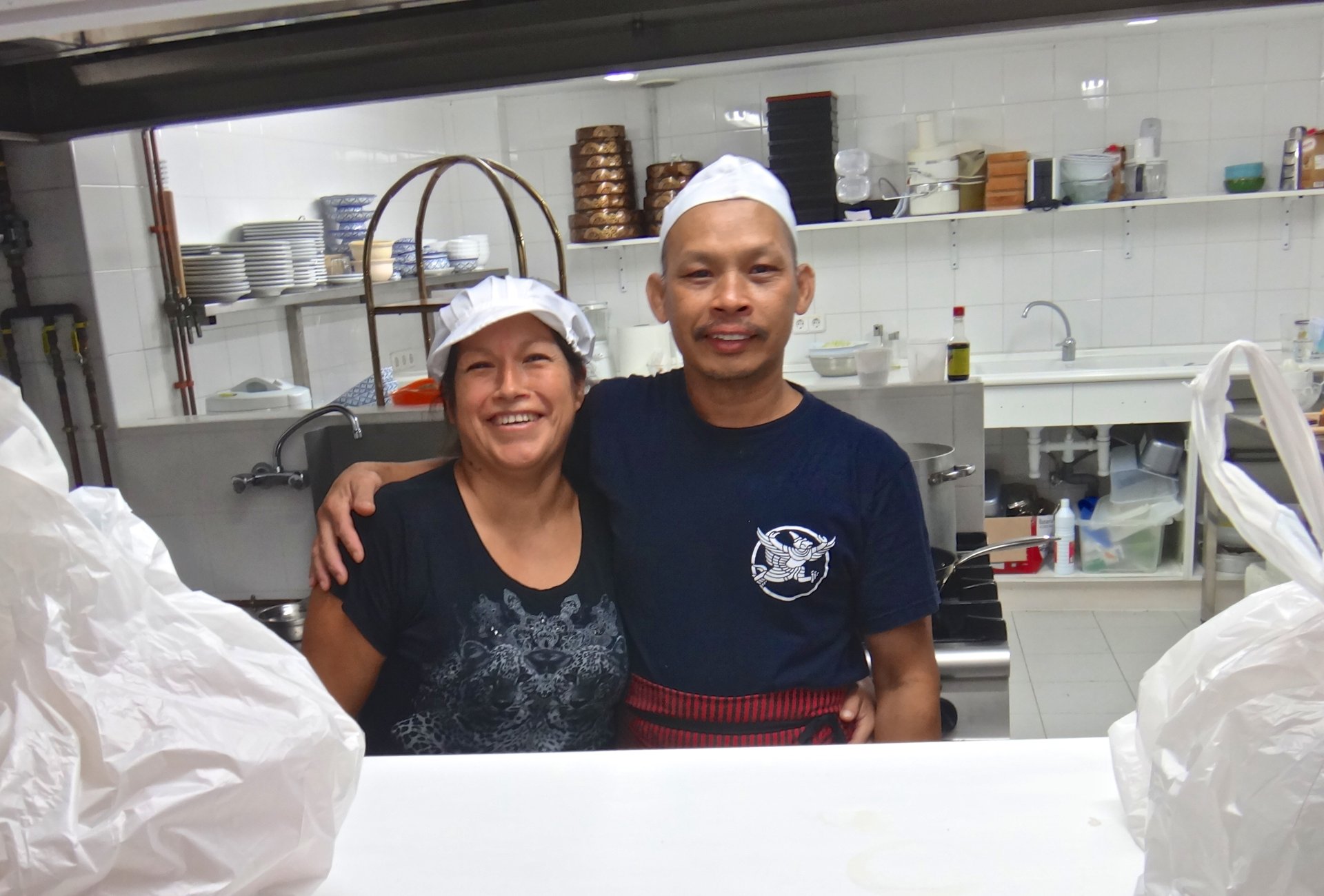
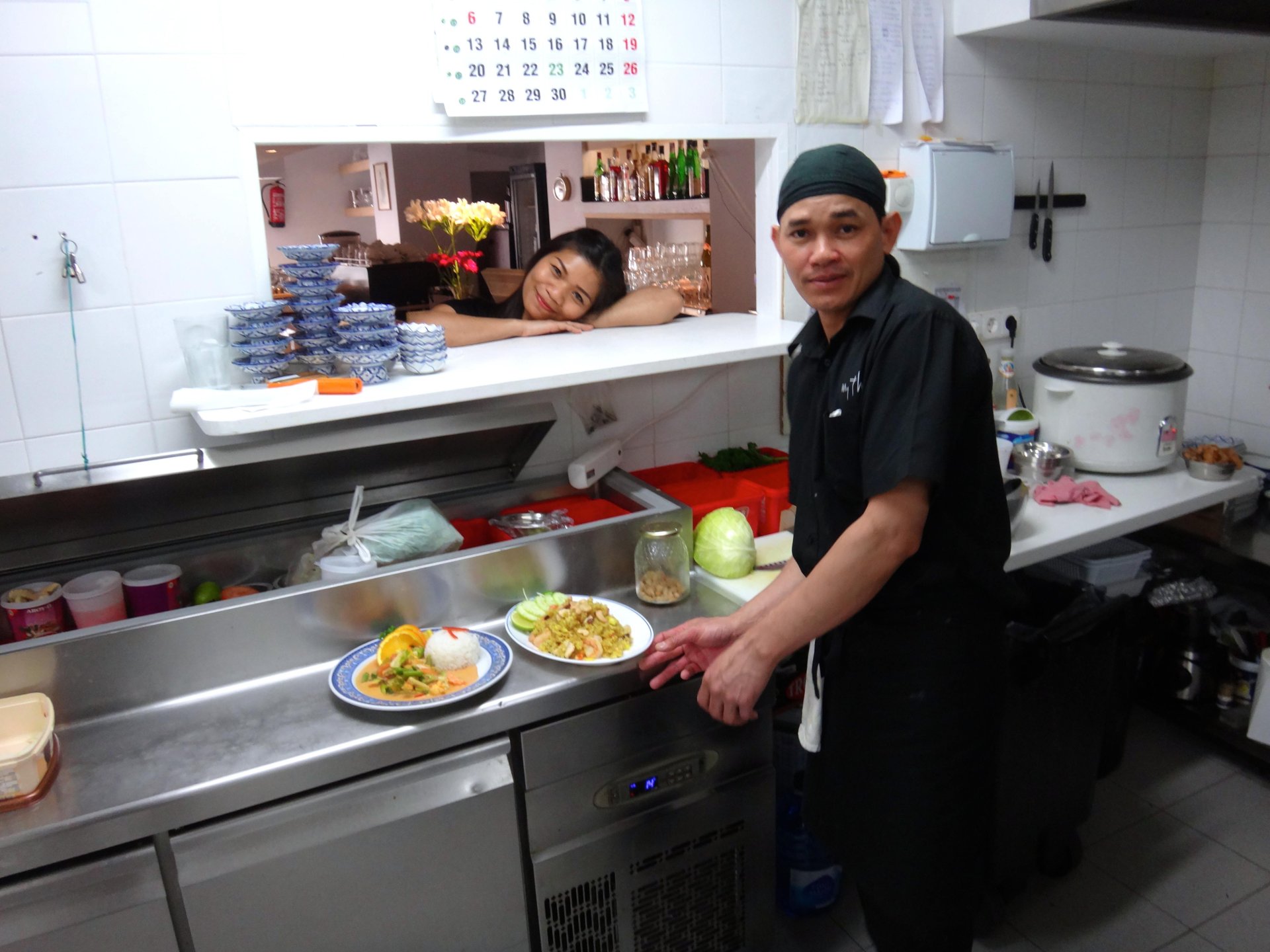
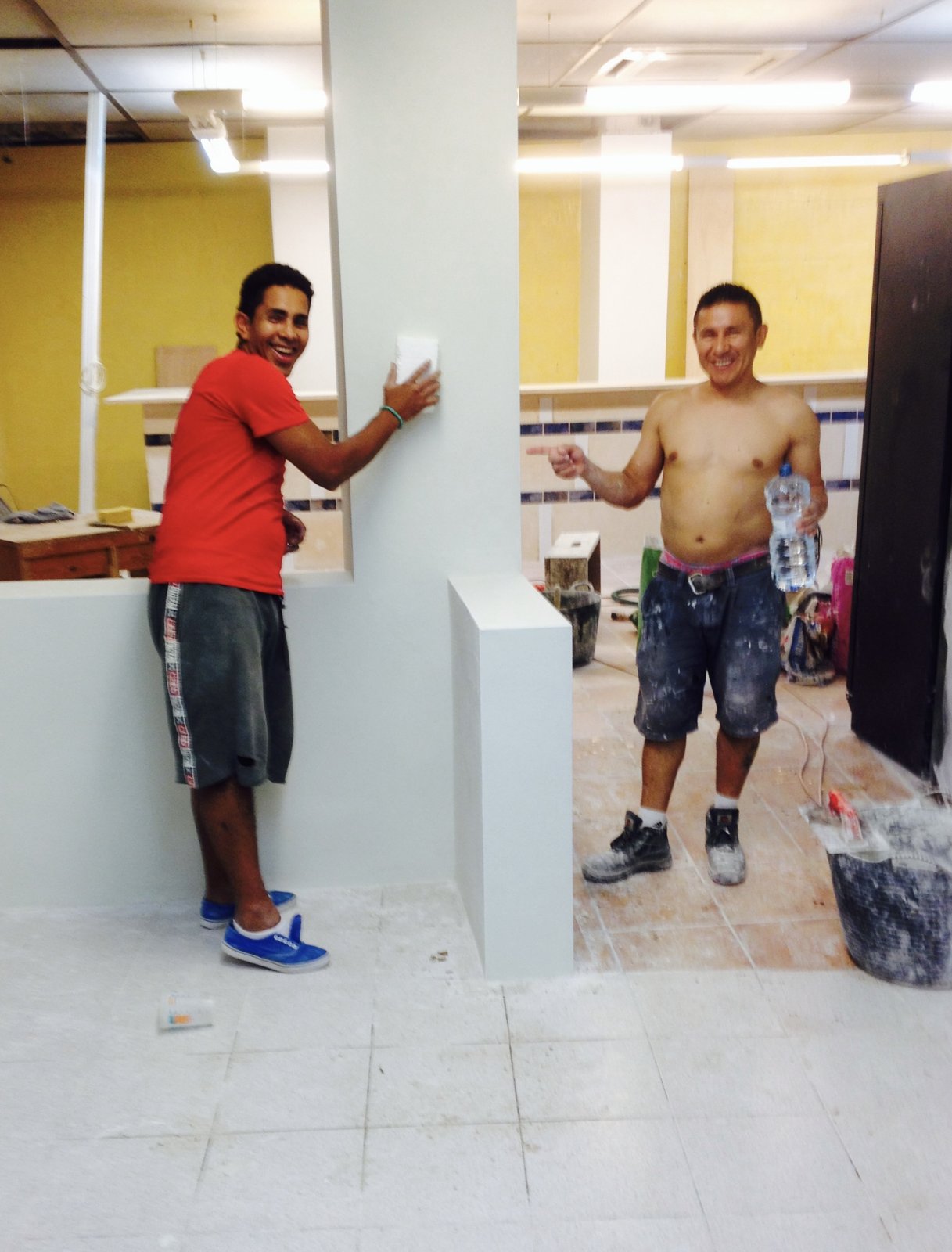
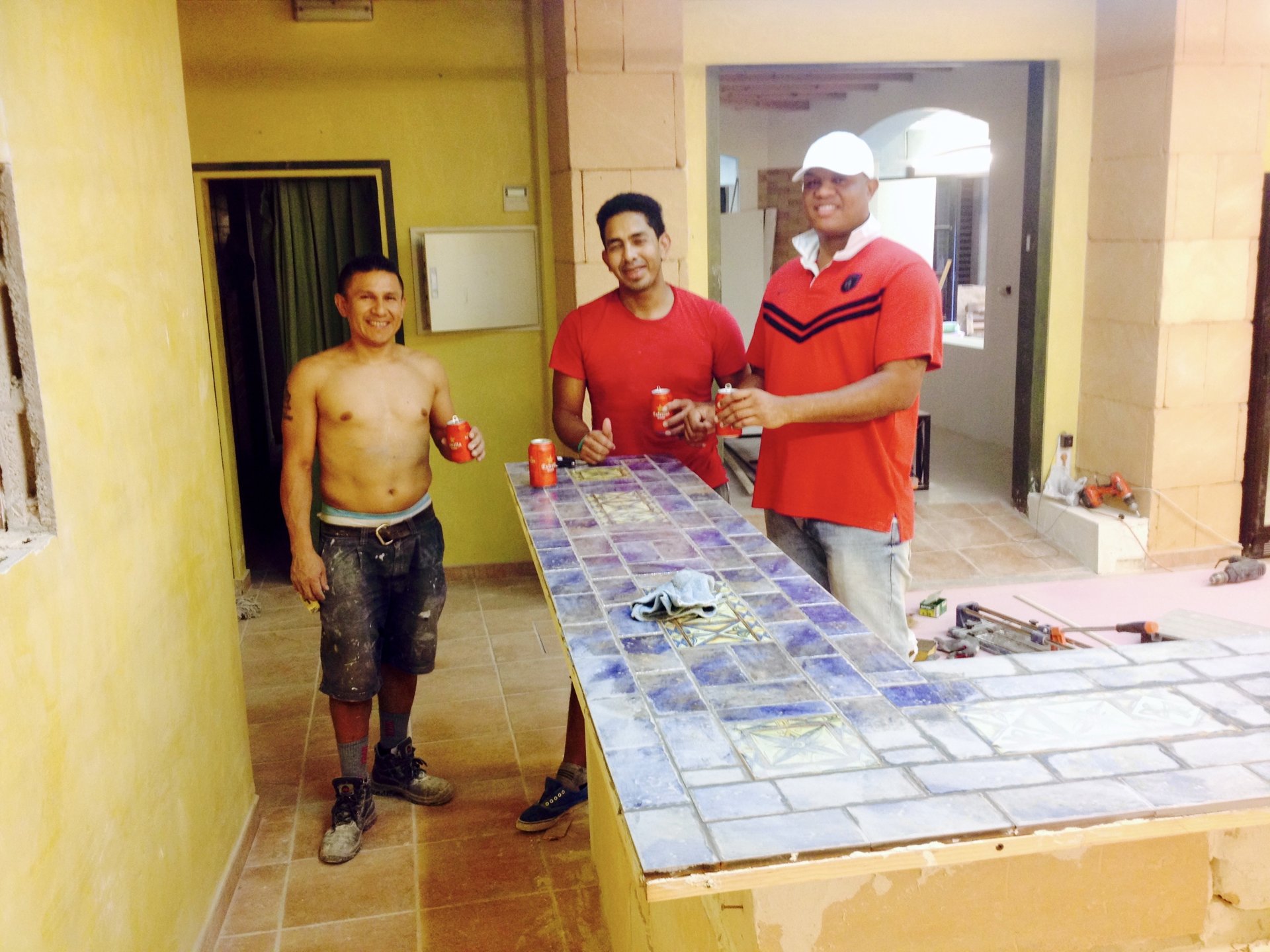
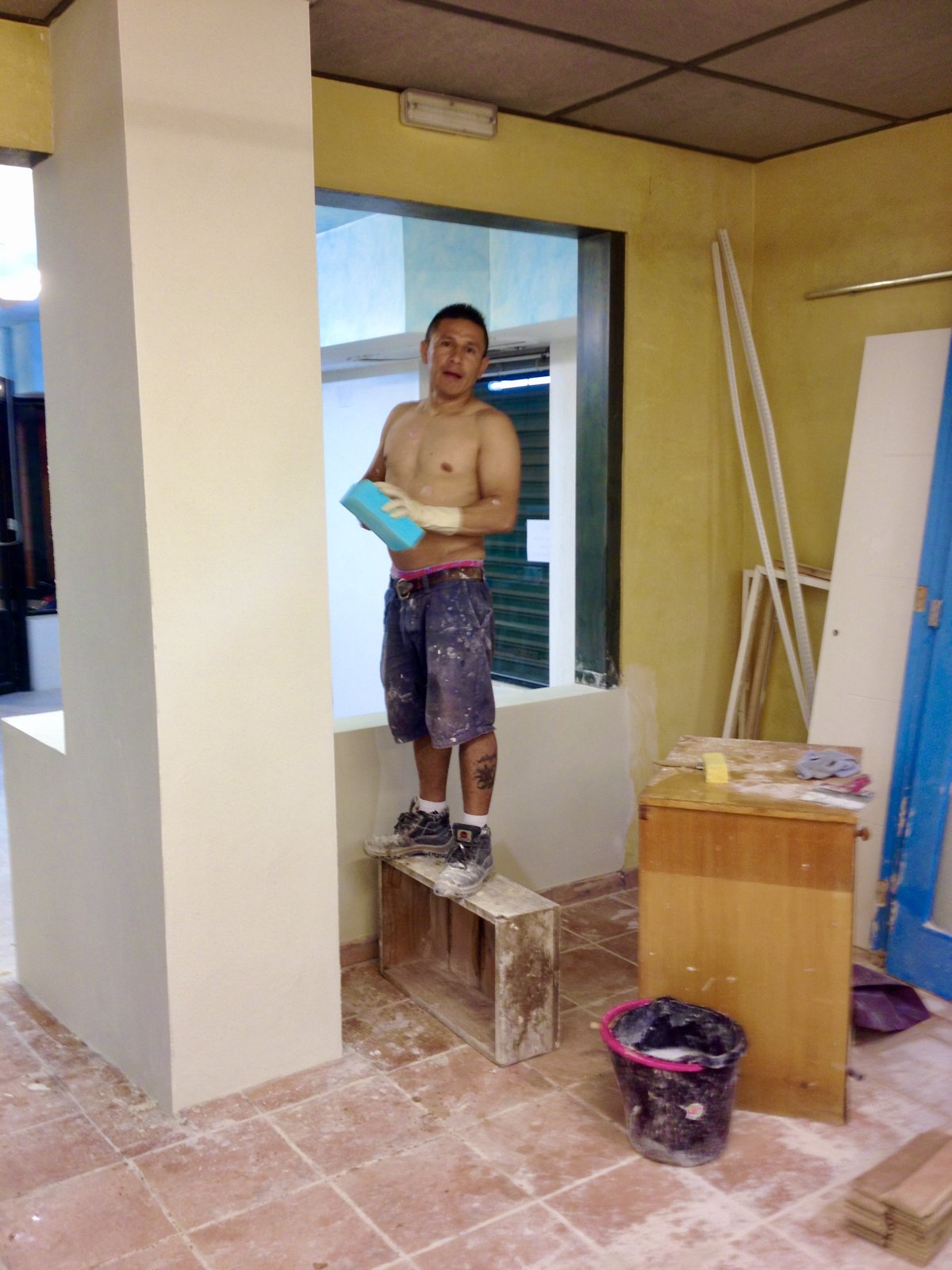
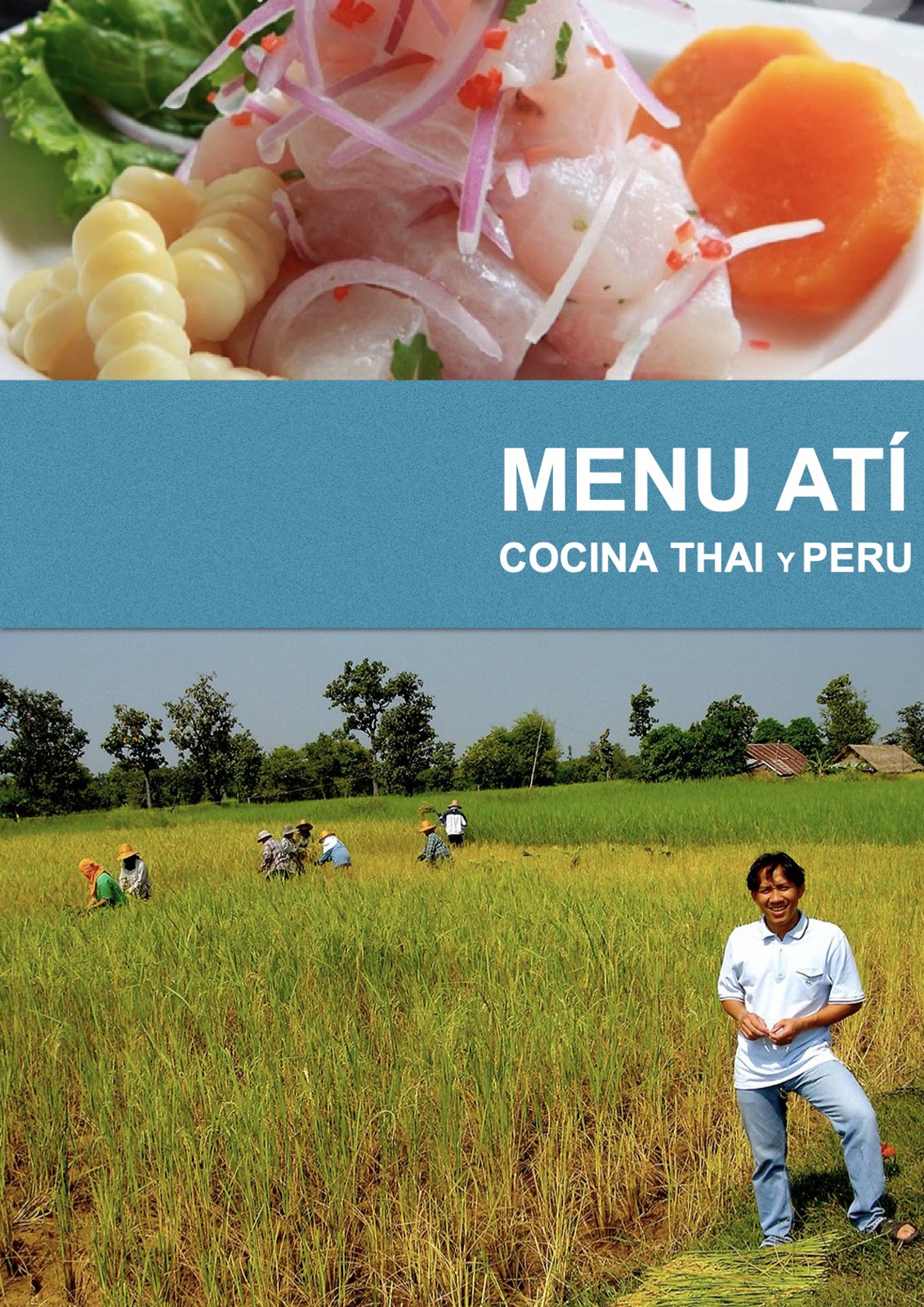
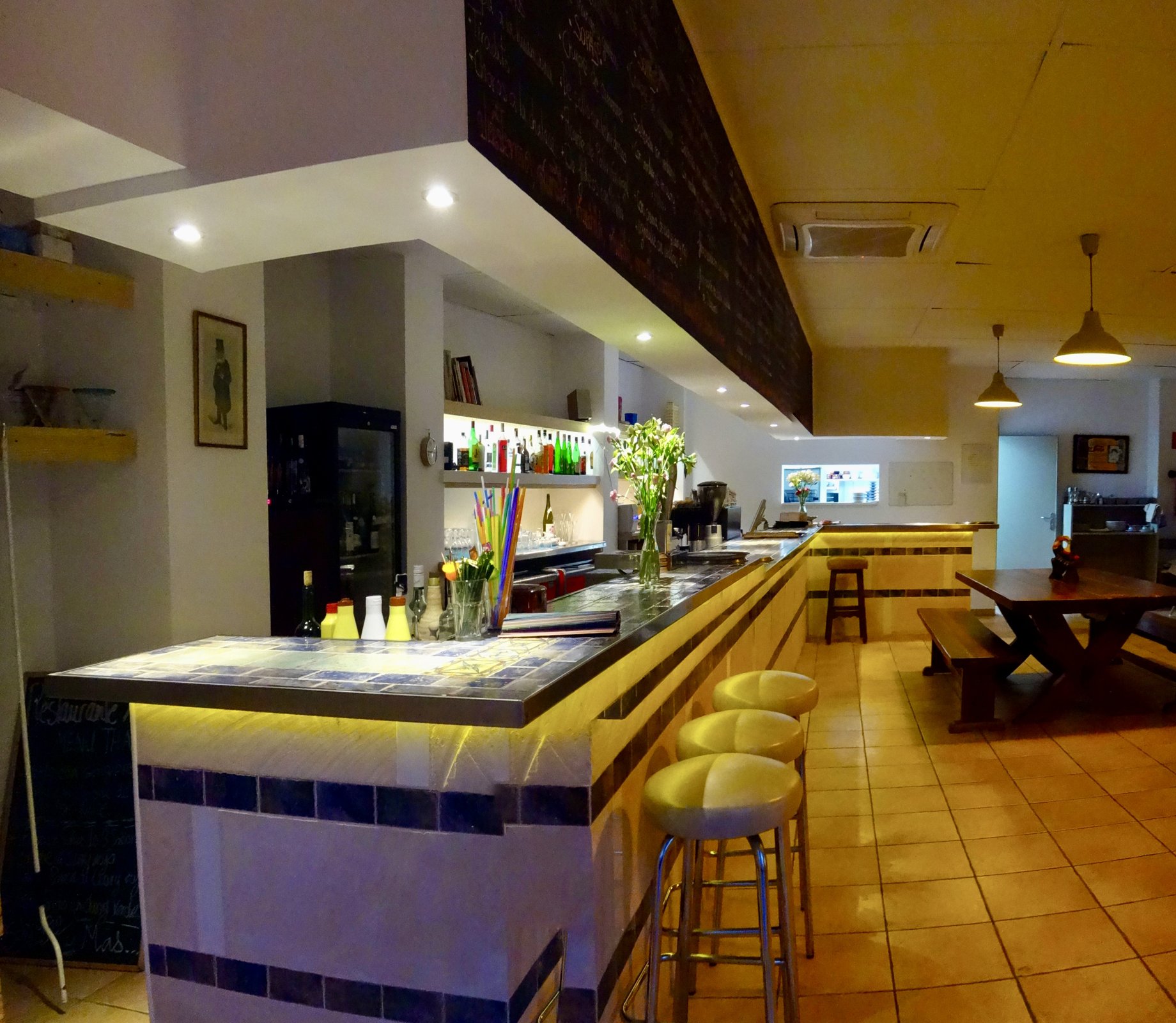
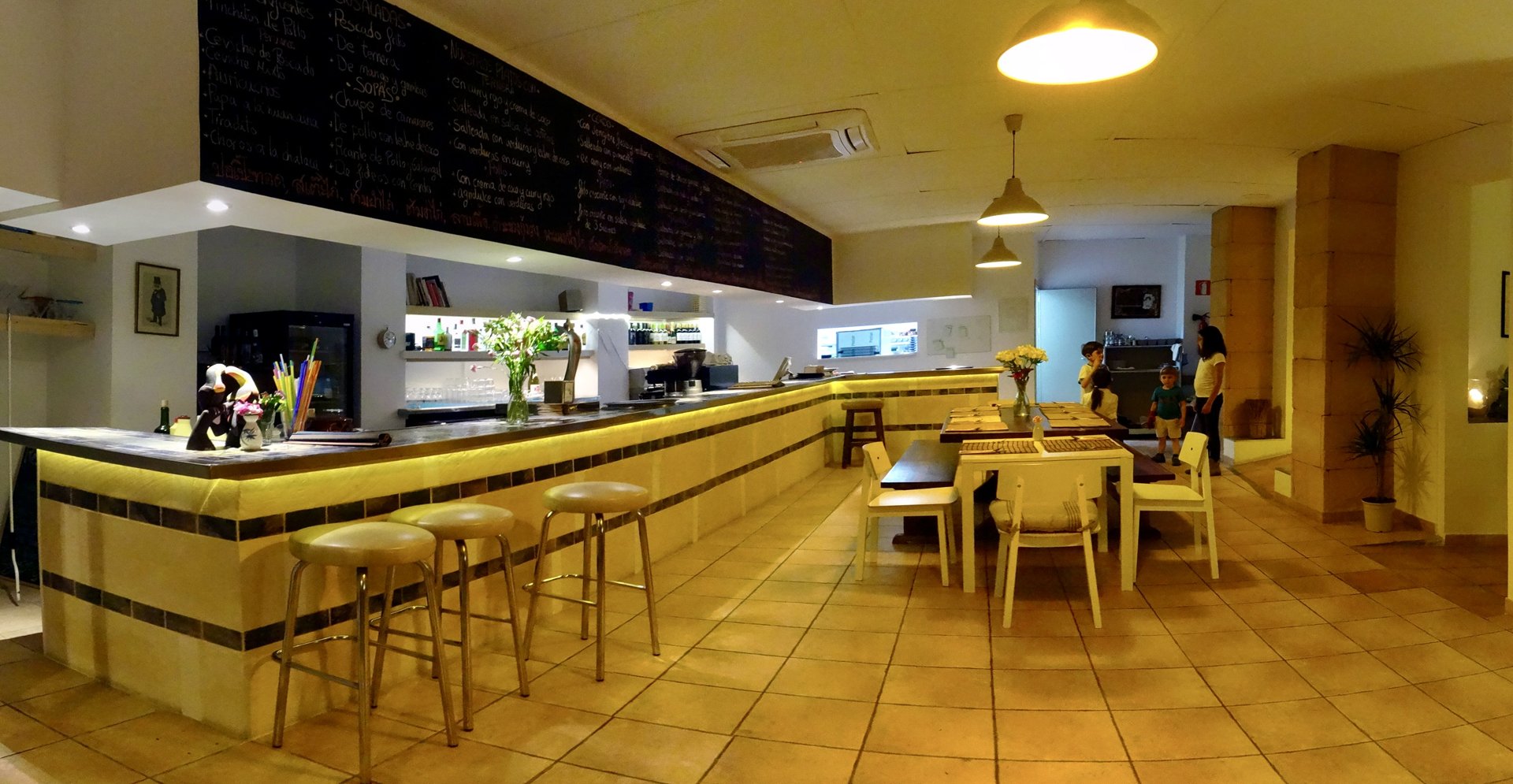
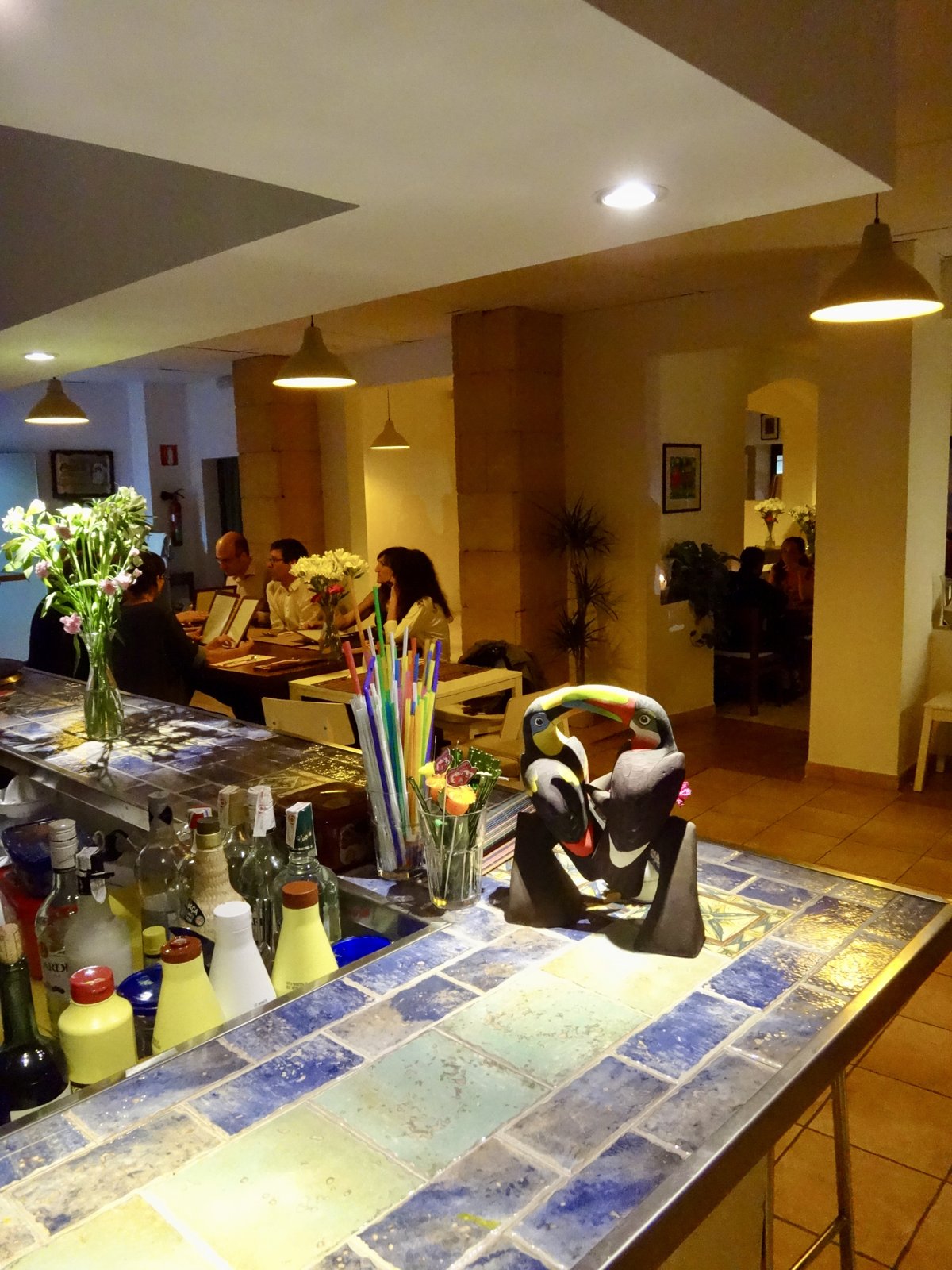
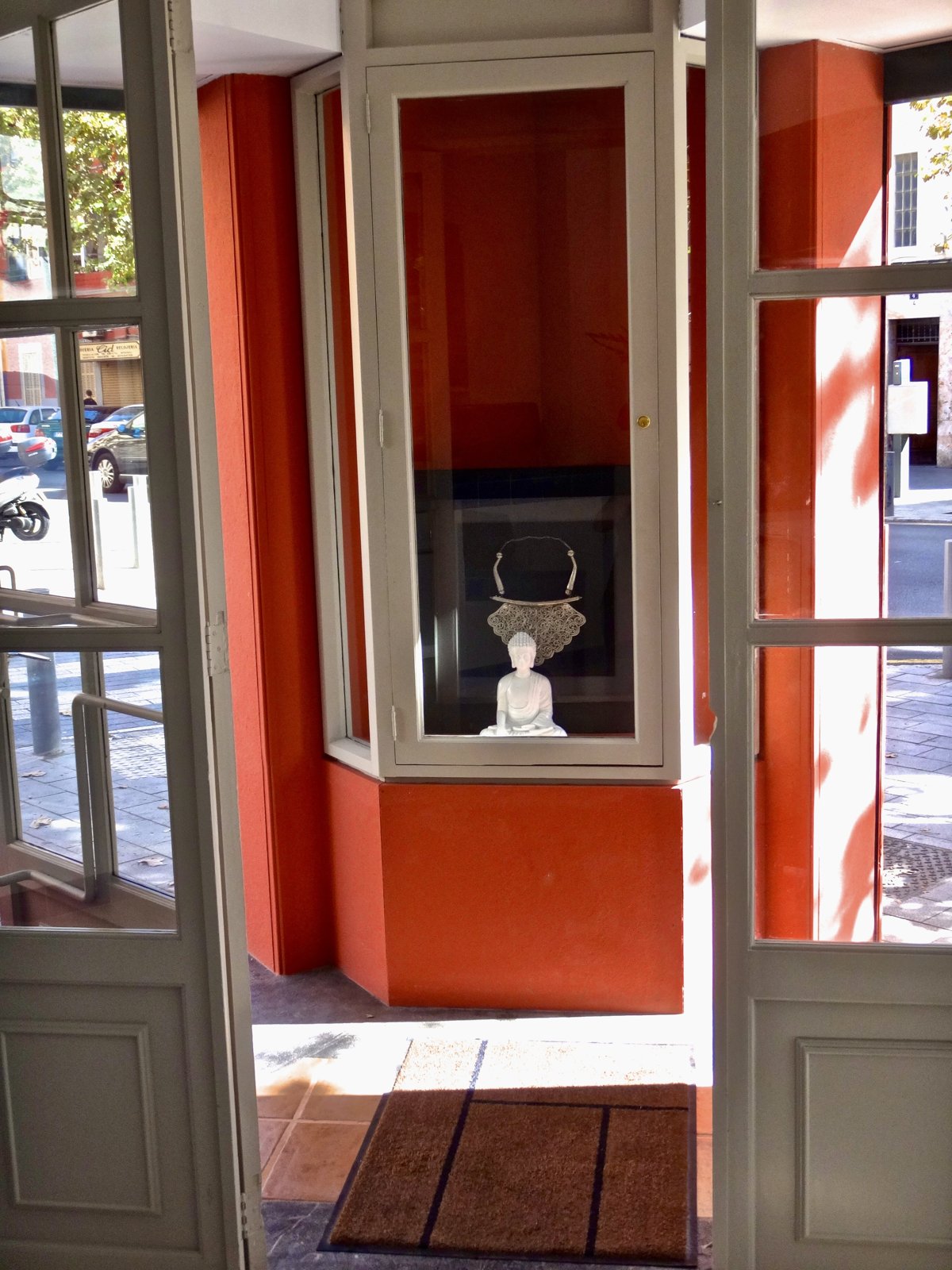
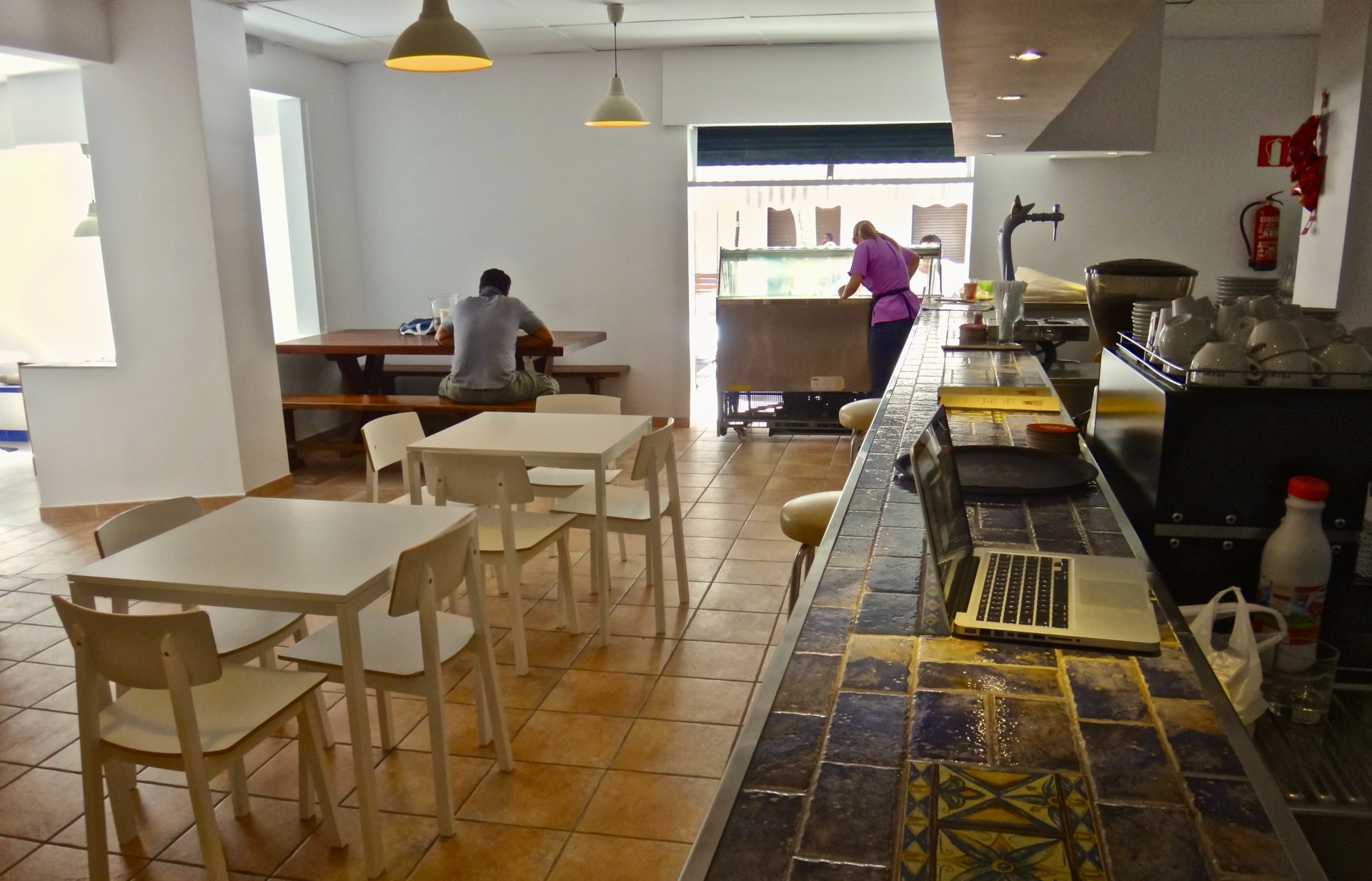
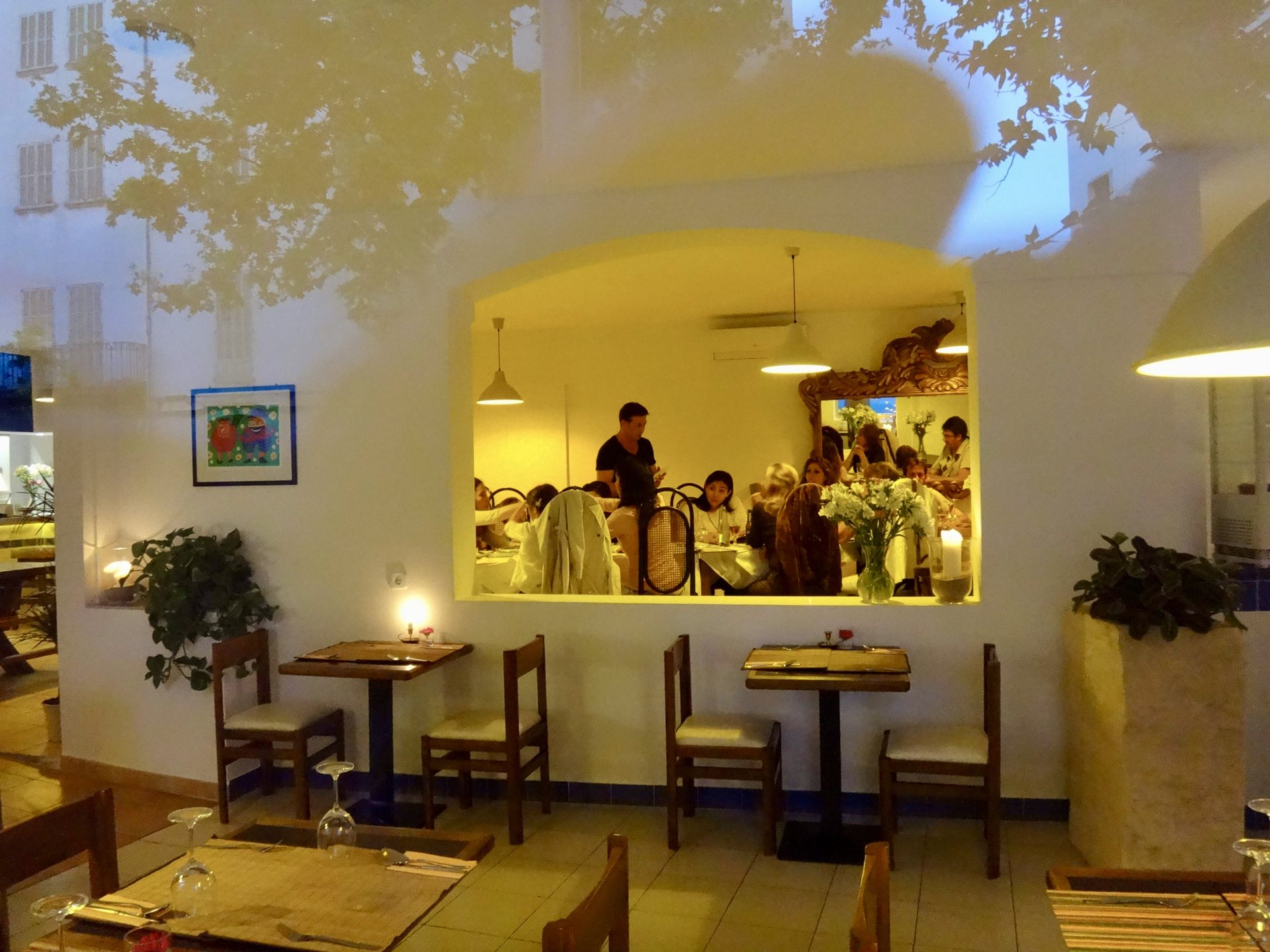
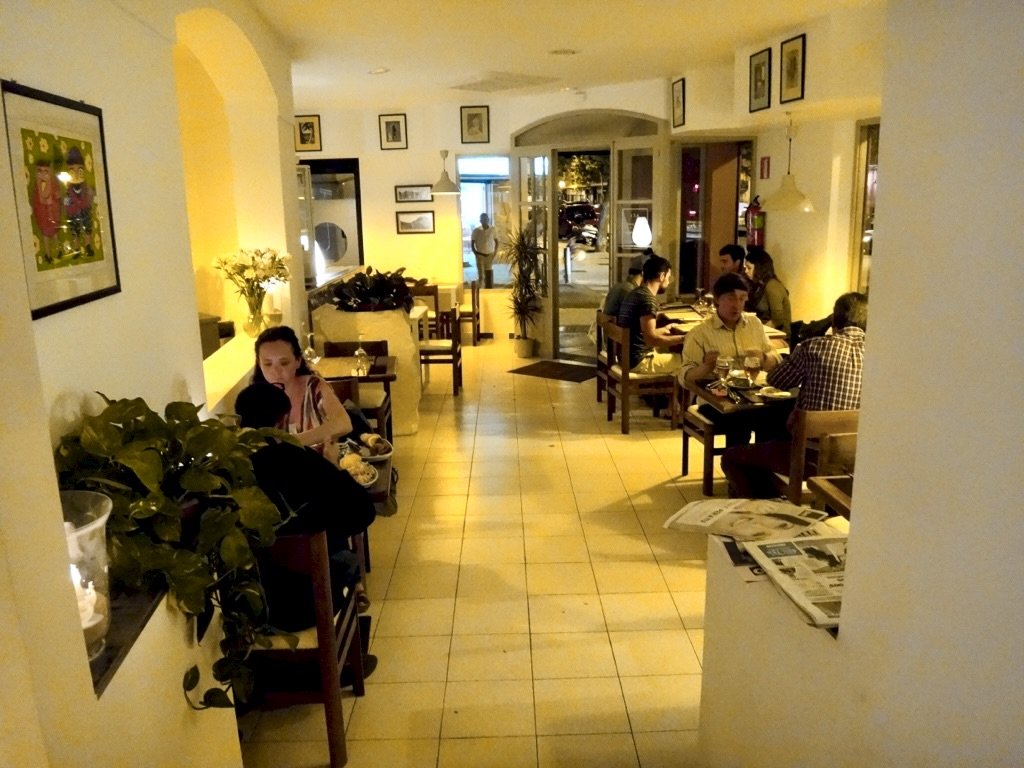
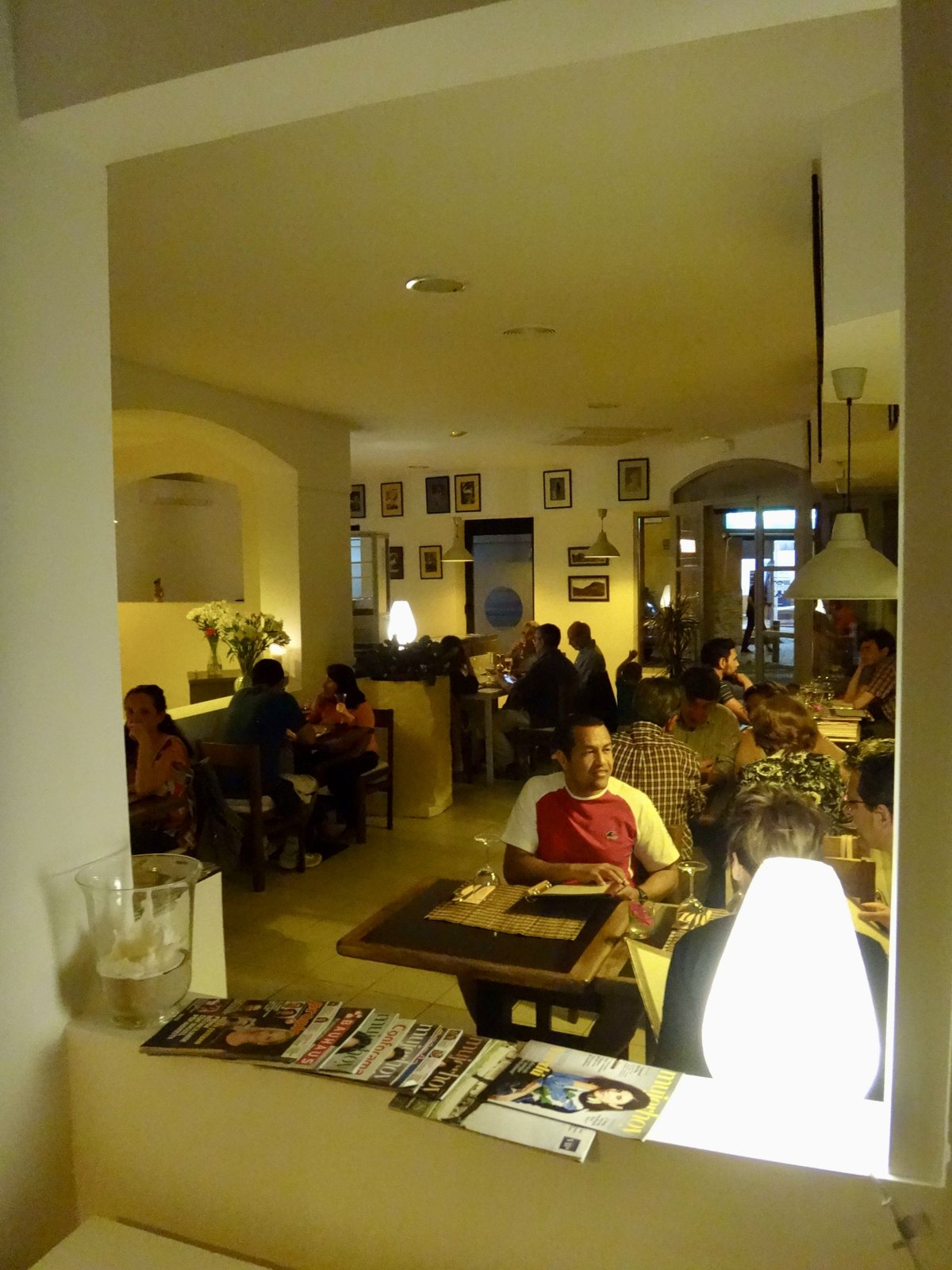
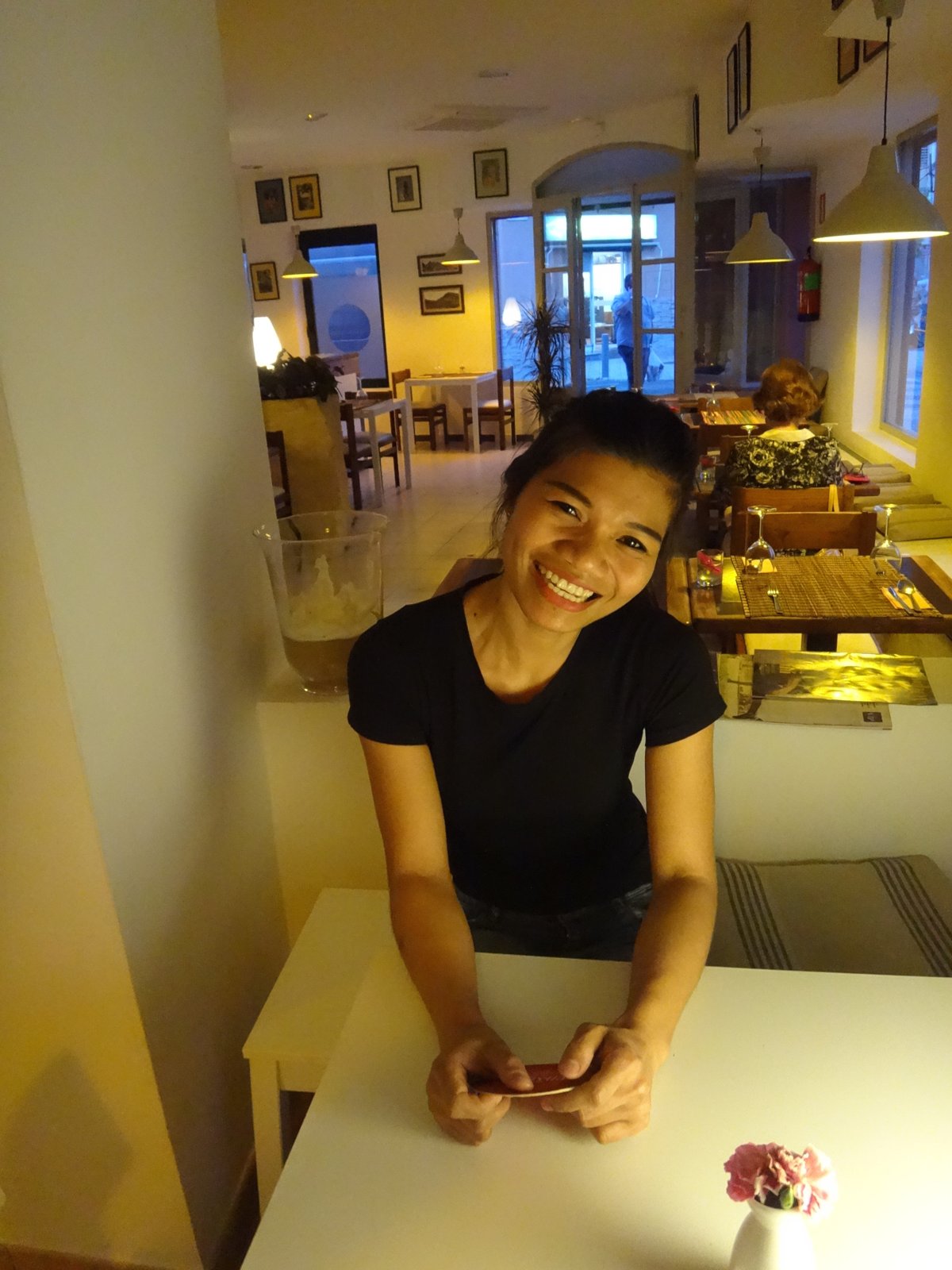
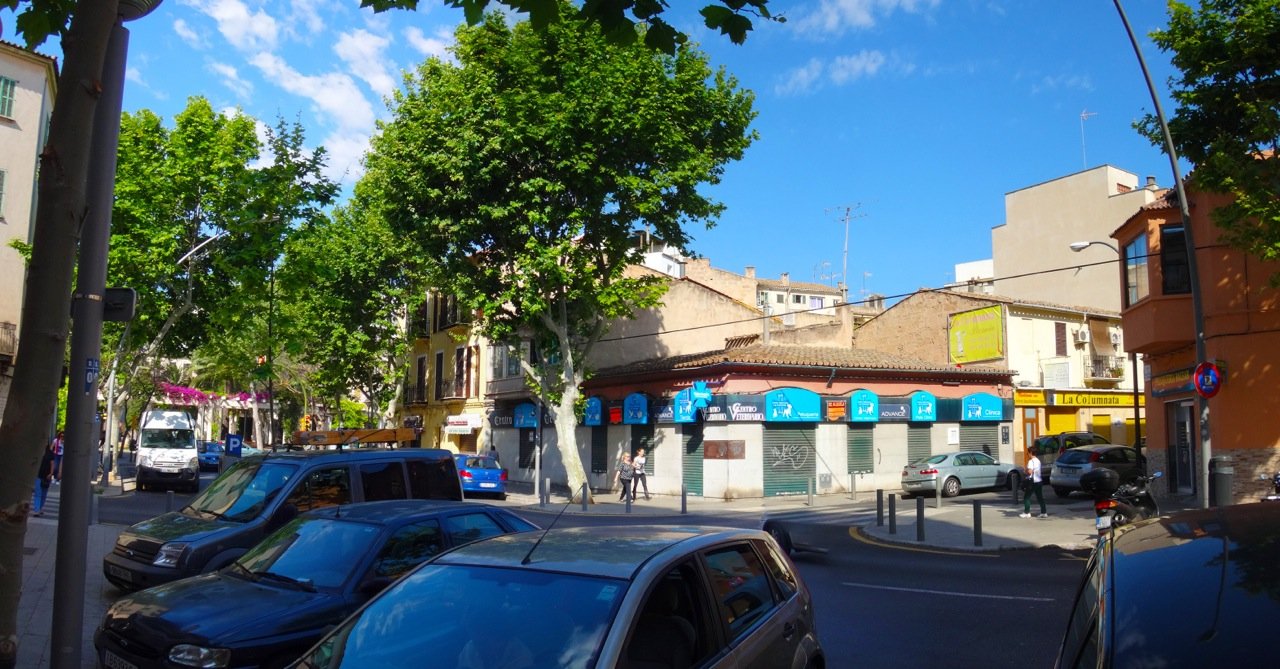
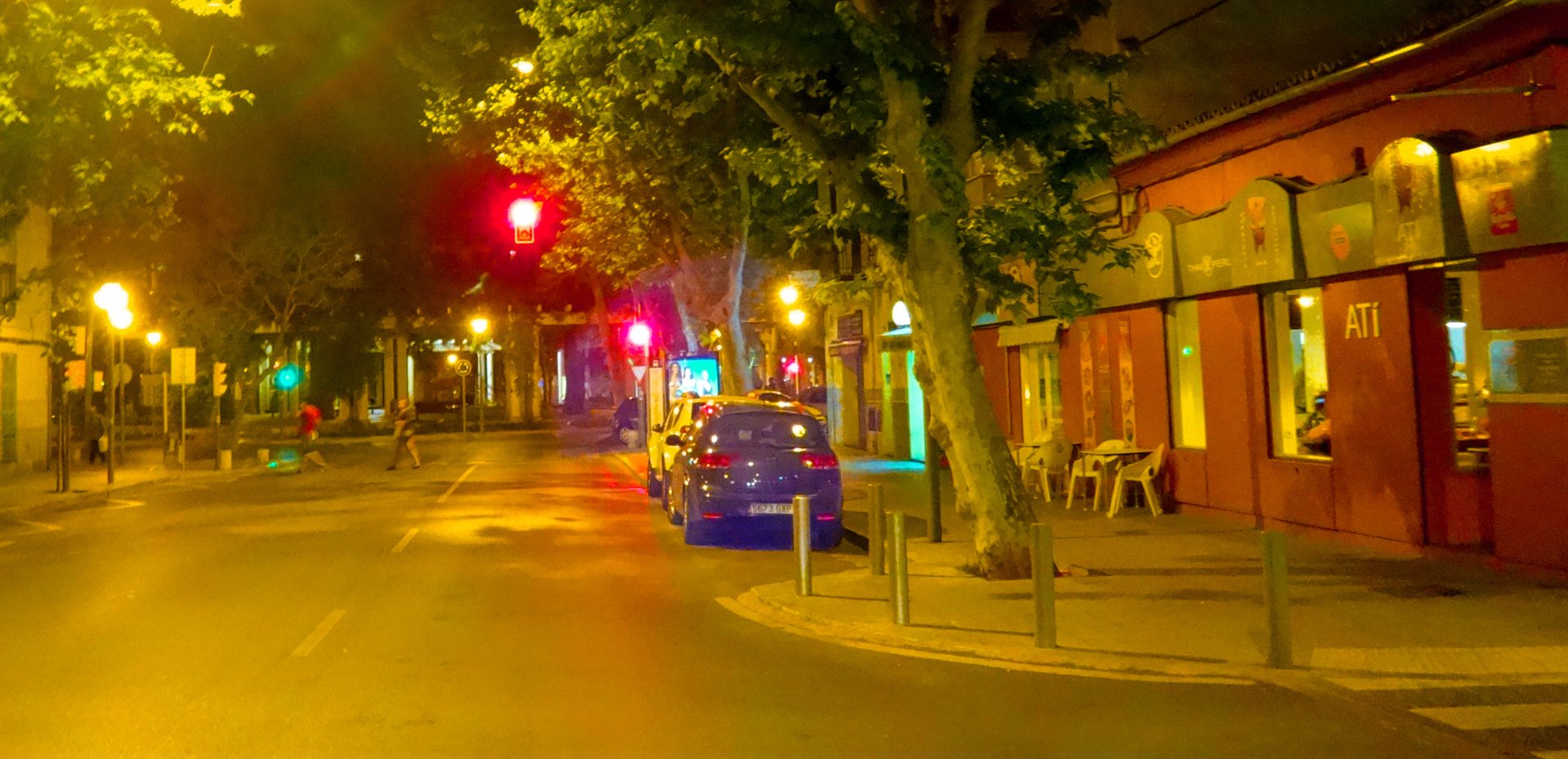
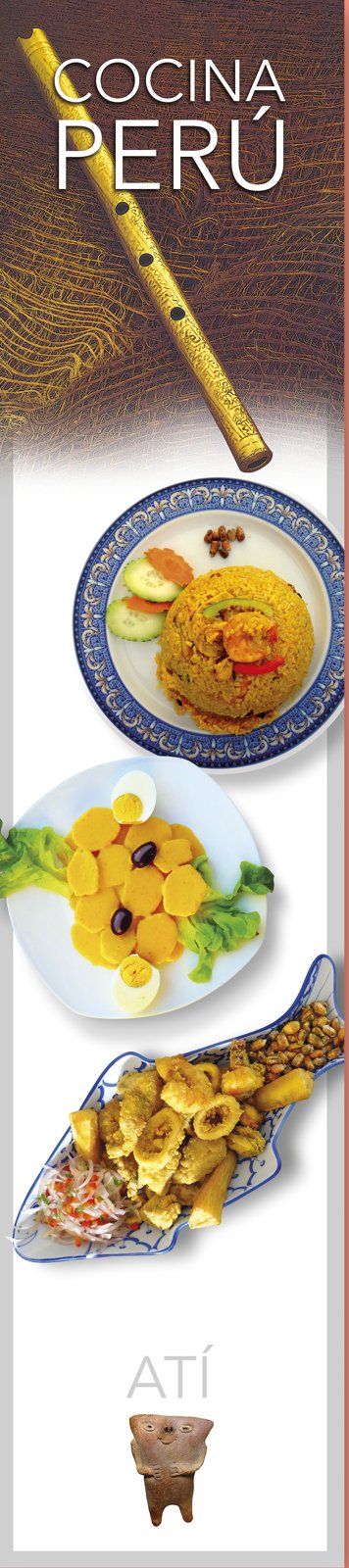
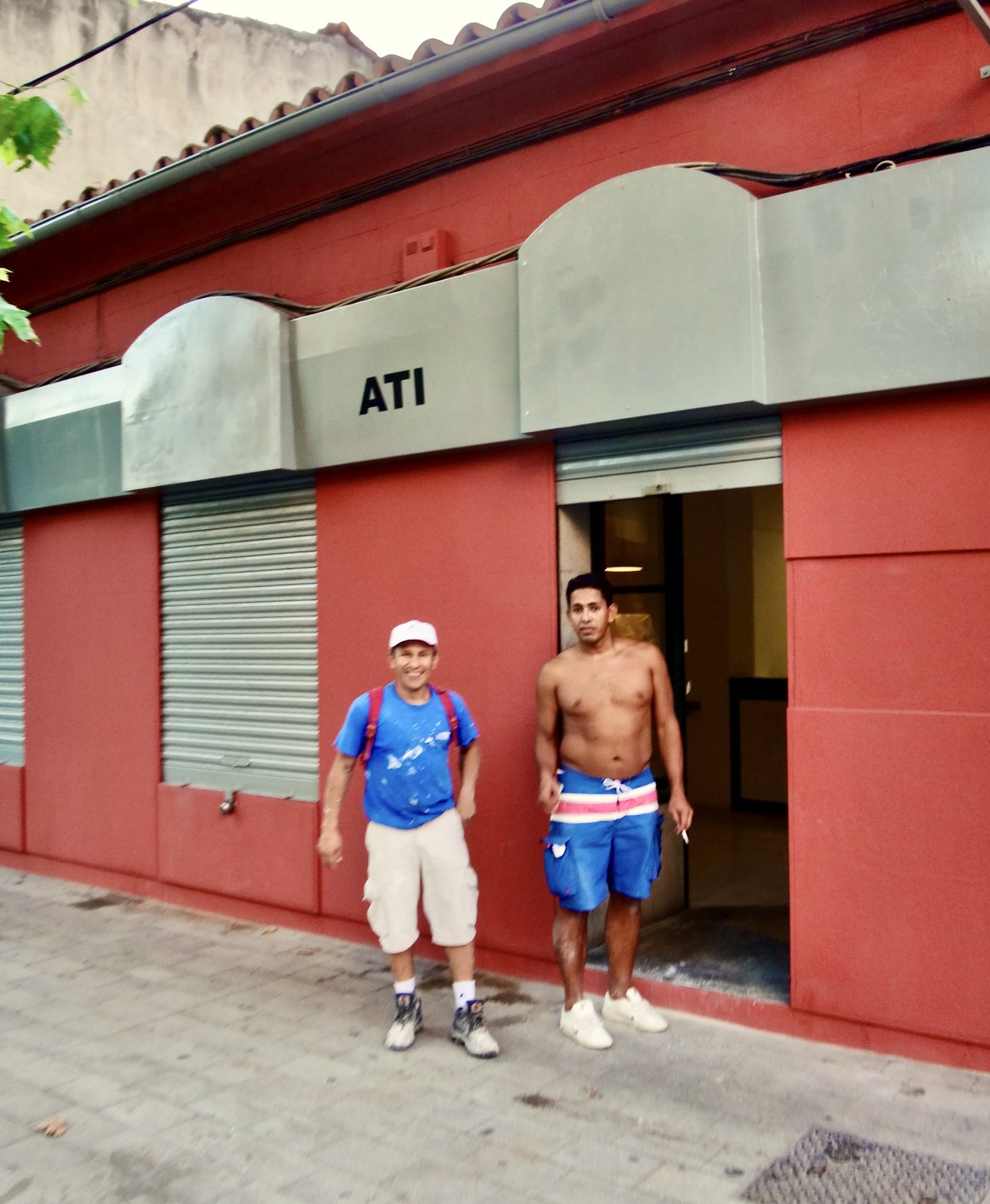
In 2014, ATI ThaiPeru was established in the Pere Garau neighbourhood of Palma. Alongside good Thai dishes, this restaurant also offered authentic Peruvian cuisine. It was a tribute to the Latin American community living there — and at the same time the belated realisation of a long-cherished dream.
The Vision of INKAPERU LIMA-BERLIN
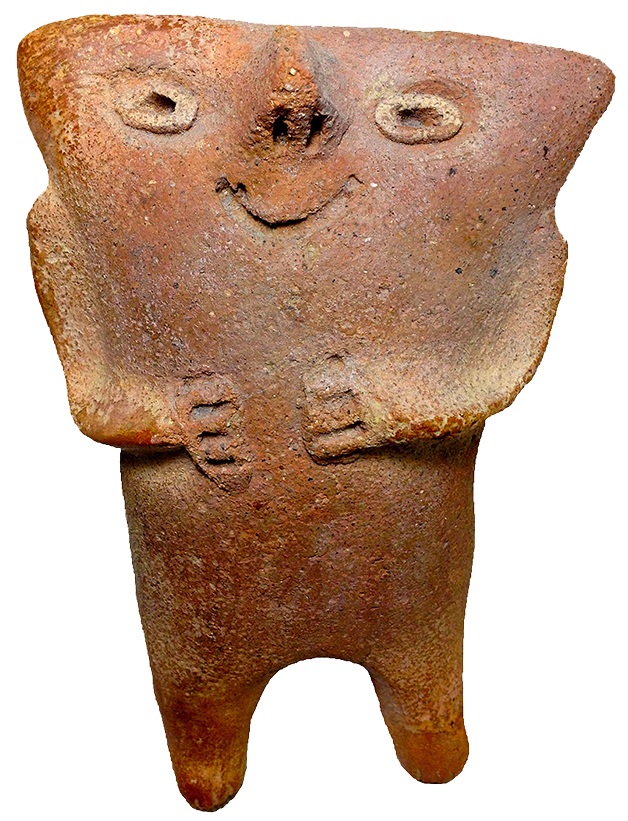
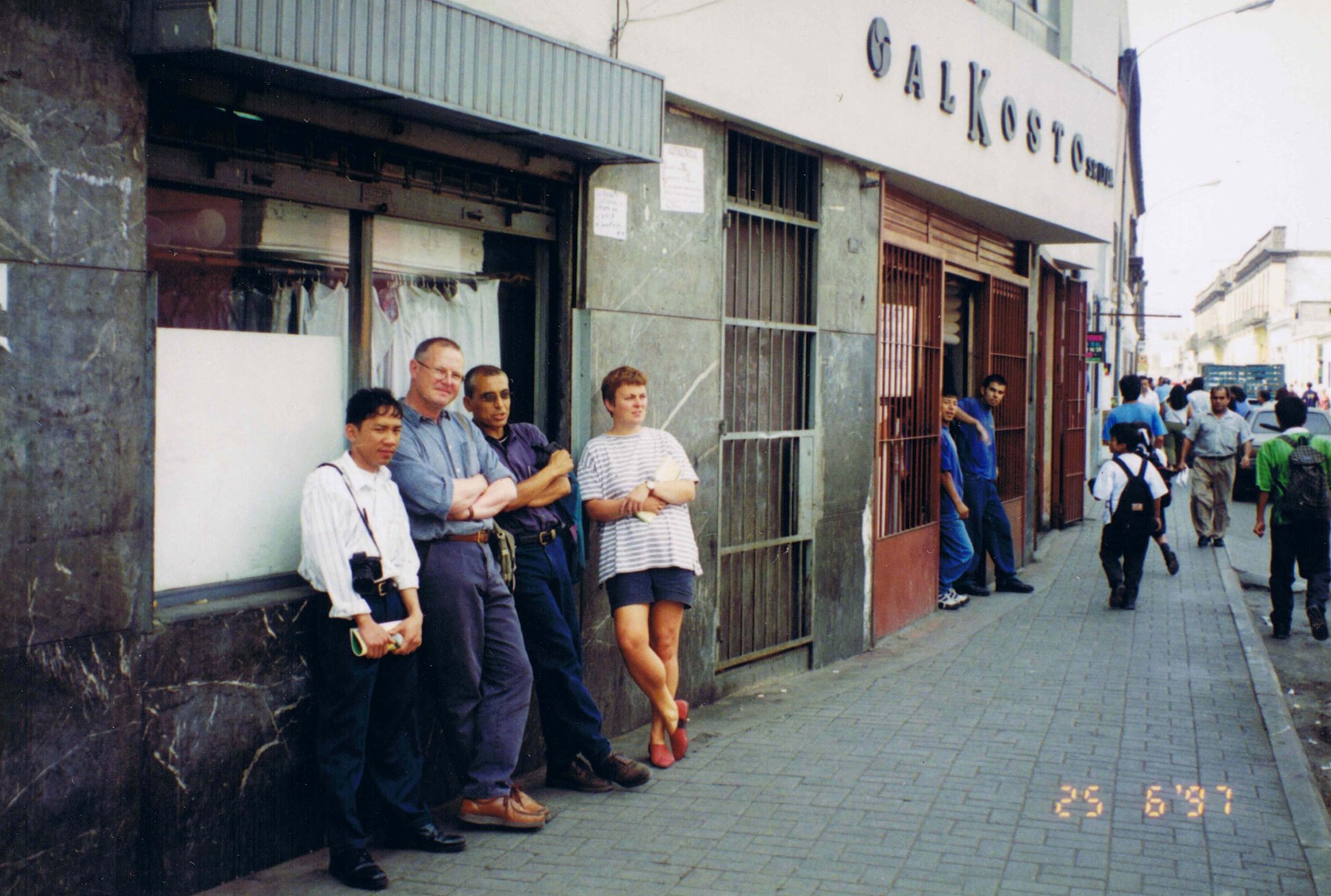
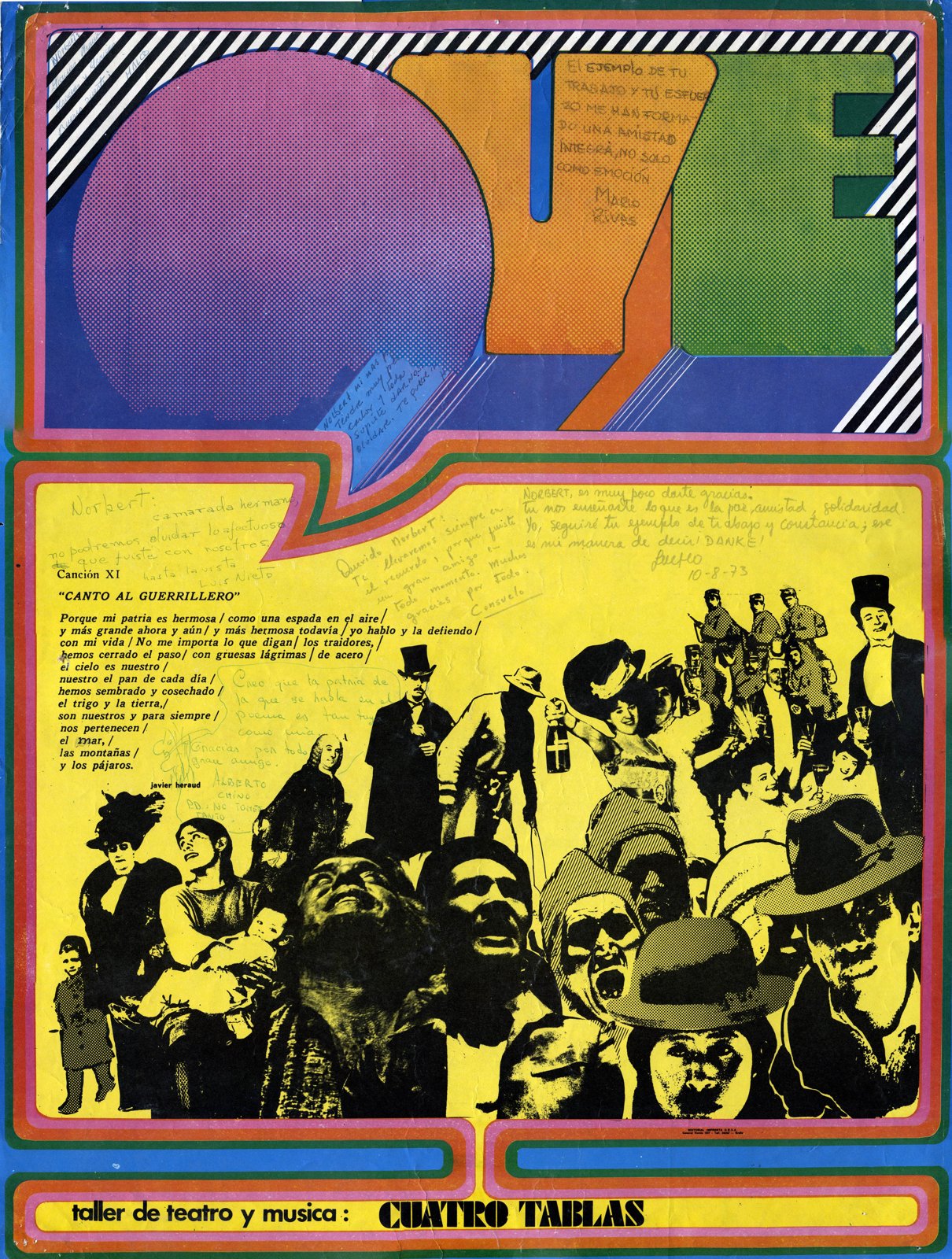
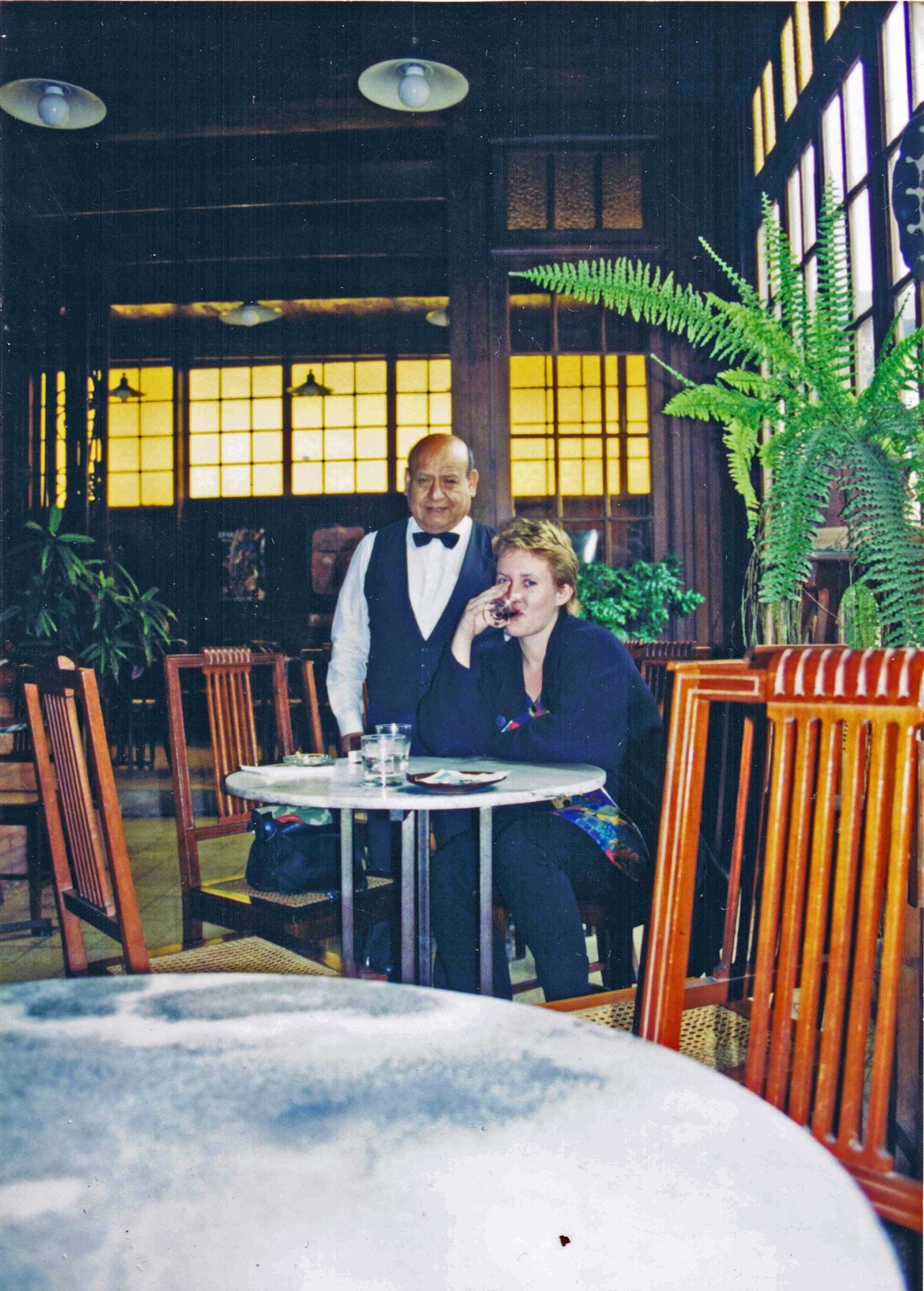
In 1995, I visited friends in Peru whom I had known since the World Festival of Youth in Berlin in 1973. I saw that even in the capital Lima there were scarcely any restaurants offering Peruvian cuisine. At the same time, on the markets at the edge of the Andes one found an extraordinary diversity of unknown vegetables and fruits — Peru is, among other things, the homeland of the potato and the chilli. The Humboldt Current moreover blesses Peru with a seemingly inexhaustible wealth of fish and seafood — in principle, ideal conditions for a great gastronomic culture. But why were there no good national restaurants in Lima?
In the palaces of the country's fifty wealthy families, indigenous cooks had prepared traditional Peruvian dishes since the conquest, but good national restaurants did not exist. Extreme poverty, social inequality and the absence of infrastructure had prevented the emergence of a middle class, which is necessary for the running of restaurants. A brunch of Peruvian dishes at the glamorous beachside restaurant Costa Verde cost $50 per person in 1995 — almost twice the average monthly income at the time.
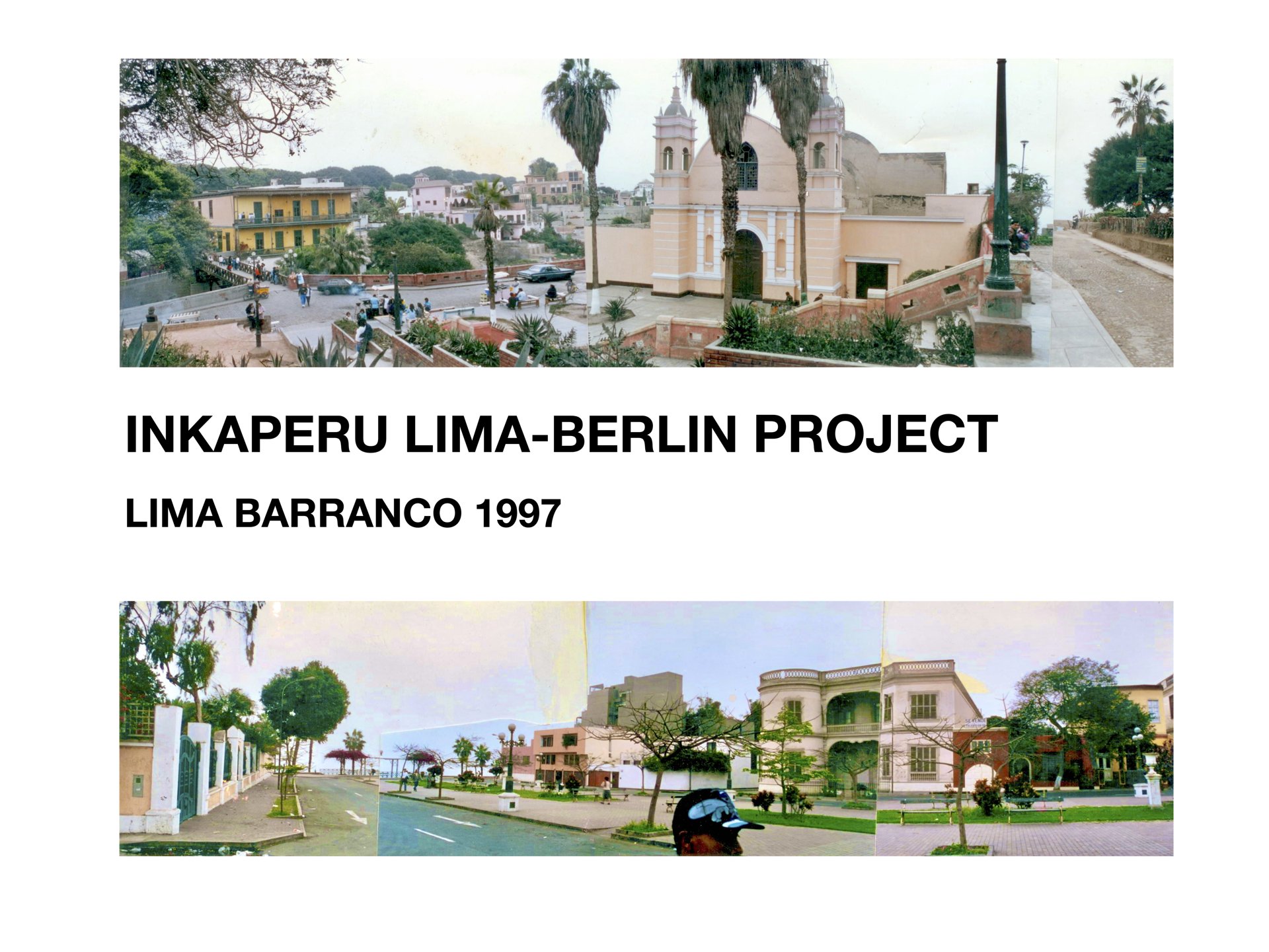
So the idea of INKAPERU Lima-Berlin was born: two sister restaurants were to be created in Berlin-Mitte and Lima Barranco, with the Lima restaurant also serving as a cookery school. When a Tyrolean property developer broke his promise to find the project a home in the Ackerhöfe in Berlin-Mitte, I was simultaneously drawn into the vortex of the collapse of the Berliner Bankgesellschaft through other projects. Credit commitments for two large projects already under way — including the first conveyor-belt sushi bar at the foot of the Berlin television tower — were withdrawn. That dream shattered, at least for the time being.
In 2001, a fax from Lima brought news of the success of Gastón Acurio's restaurant La Mar. When I visited Lima in 2002, I saw the long line of luxury cars outside this restaurant in one of Lima's poorest neighbourhoods. The reforms begun under President Fujimori were taking effect. A middle class was emerging, one that was now seeking to discover its identity in its own national cuisine.
Gastón Acurio became the driving force of a culinary revolution that catapulted Peruvian cuisine into the ranks of international gastronomy. And now, seventeen years later, I set about in Palma to make my dream a reality.